


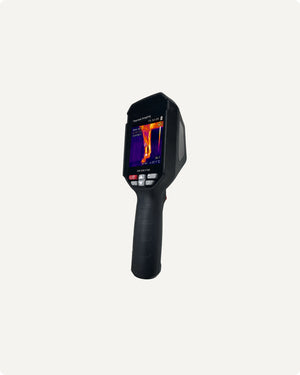
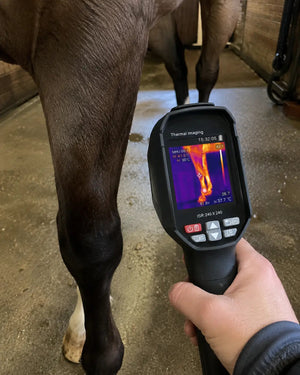
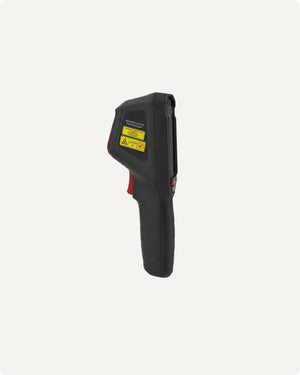
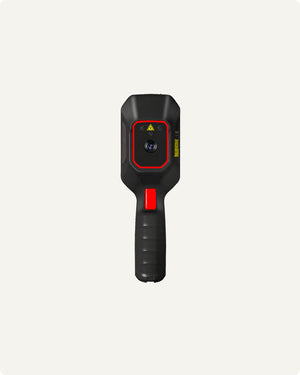
Horse Thermal Camera
A handheld thermal imaging tool for spotting unusual heat patterns linked to inflammation, saddle pressure, overuse, and recovery stress in horses.
- ✅ Helps spot heat patterns before visible discomfort
- ✅ Visualize heat patterns across the legs, joints, back, saddle area, and hooves
- ✅ Laser positioning with image capture for tracking changes
Description
The Amouu Horse Thermal Camera is a handheld thermal imaging tool designed for equine health monitoring. It helps owners, trainers, and caretakers check for subtle temperature changes across the horse’s body before discomfort becomes obvious.
Real-time heat mapping gives you a deeper look at areas where developing inflammation, strain, soreness, overuse, or uneven pressure may be present. Use it to scan the legs, joints, back, saddle area, hooves, shoulders, and hindquarters during grooming, warm-ups, cooldowns, or routine stable checks.
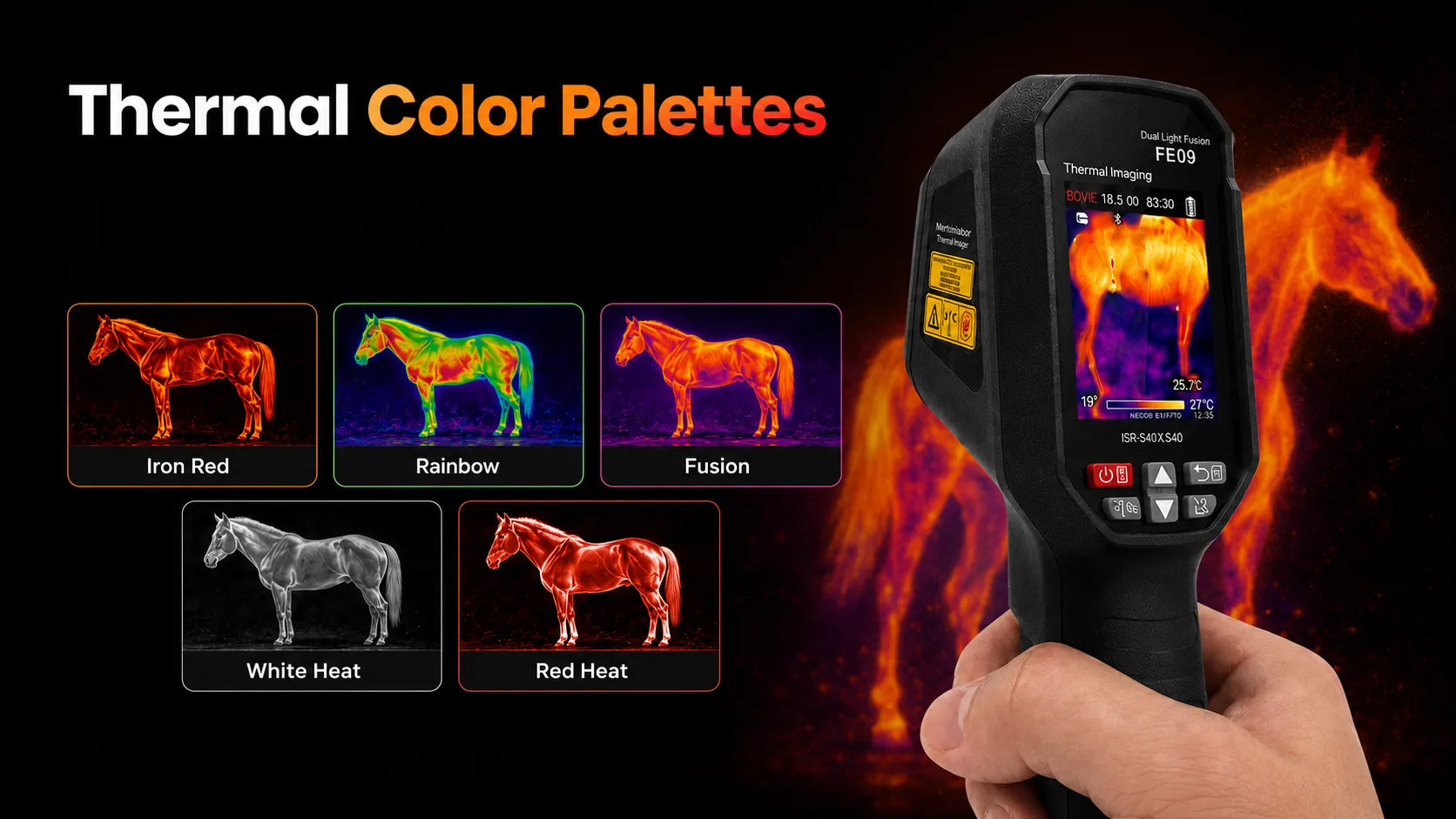
With laser positioning, three-point temperature reading, image capture, and clear thermal color views, AMOUU makes daily checks easier to understand, even for first-time users. It helps you compare both sides of the body, track changes over time, and decide when your horse may need rest, tack adjustment, farrier attention, or veterinary care.
Key Performance Features:
- Equine Inflammation Checks: Helps identify unusual heat patterns that may be linked to early inflammation, soreness, strain, or recovery stress.
- Full-Body Heat Mapping: Scan legs, joints, back, shoulders, saddle area, hooves, and hindquarters for clearer routine checks.
- Laser Positioning: Helps aim at the exact area you want to scan, making repeated checks easier and more consistent.
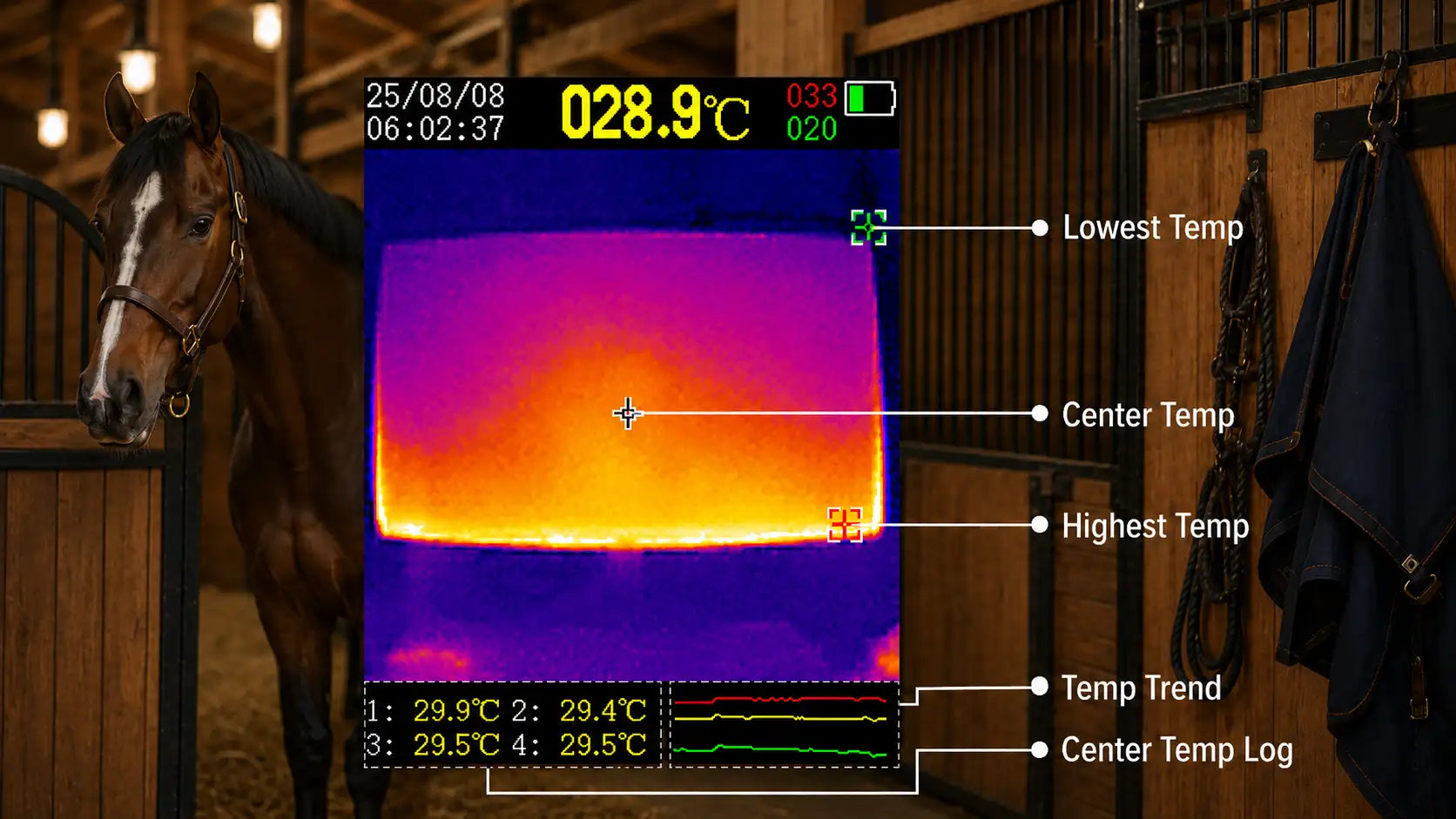
- Three-Point Temperature Reading: Shows center, highest, and lowest temperature points for faster side-to-side comparison.
- Saddle Fit & Pressure Monitoring: Helps reveal uneven heat patterns around the back and saddle area after riding.
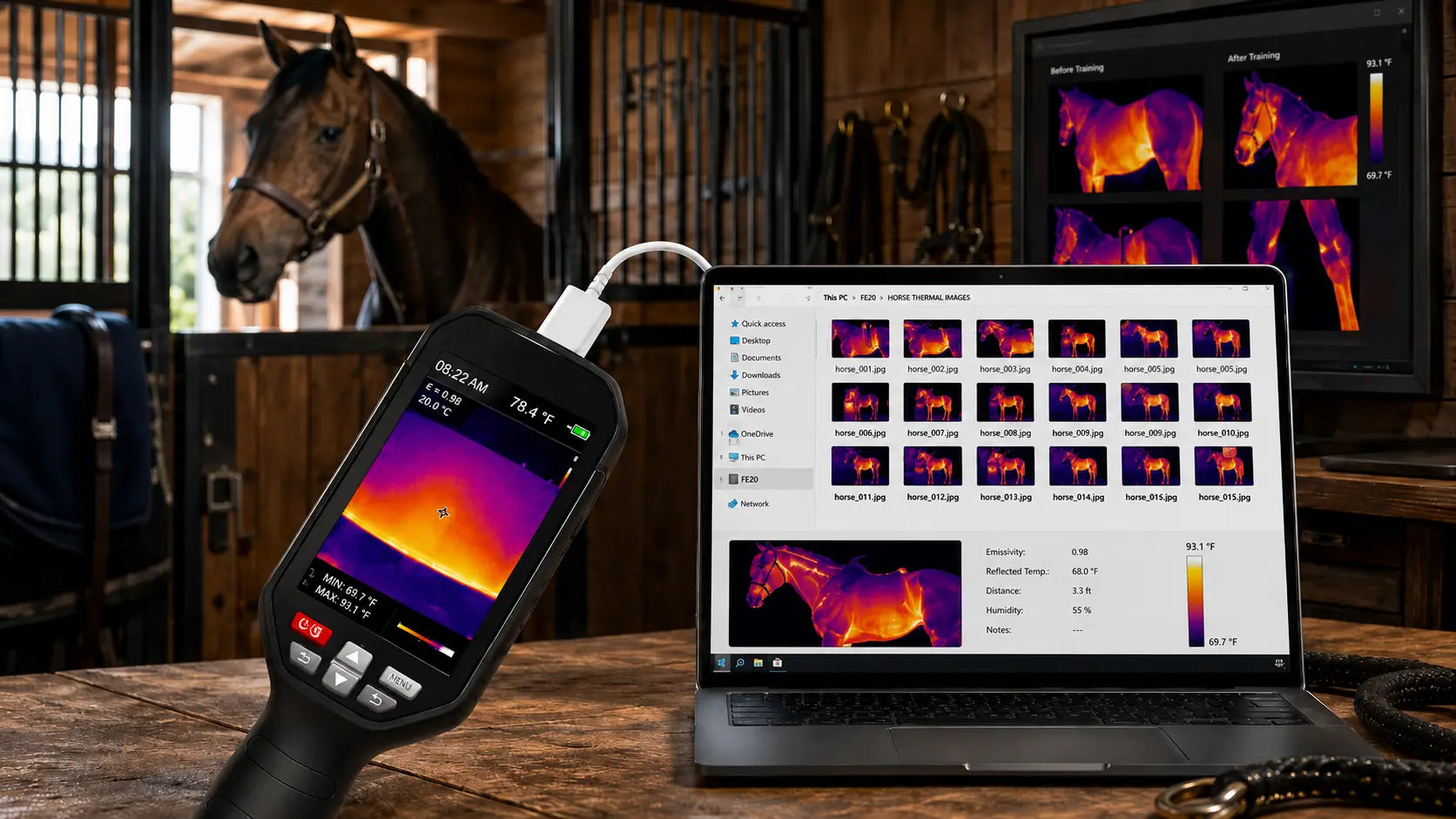
- Image Capture + USB Export: Save thermal images for recovery records, repeat checks, or sharing with a trainer, farrier, or veterinarian.
Specifications
Free Worldwide Shipping
Horse Thermal Camera
Spot Heat Patterns of Discomfort
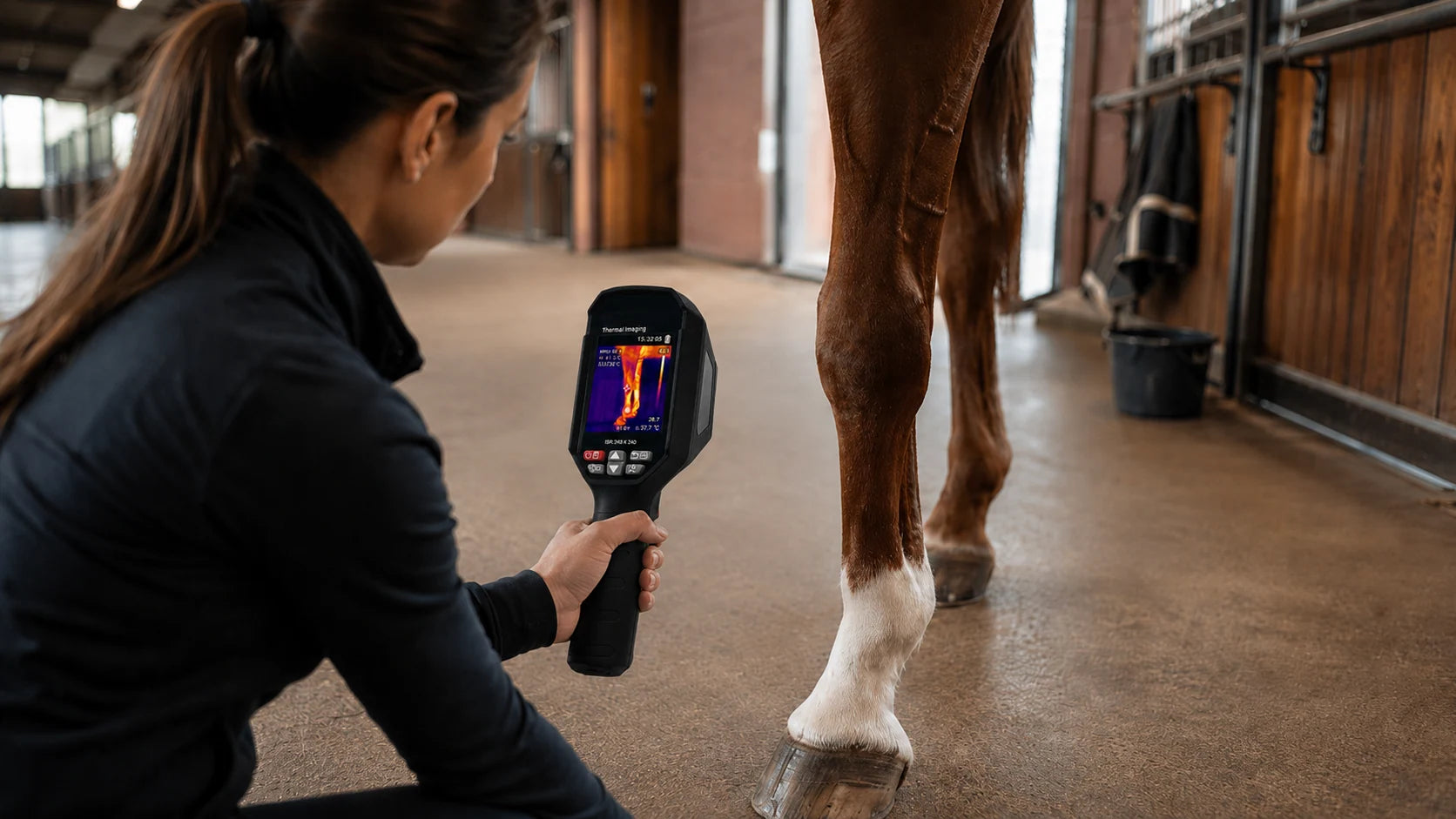
The Amouu Horse Thermal Camera helps you check for unusual heat patterns that may be linked to inflammation, soreness, tendon or joint stress, saddle pressure, and uneven loading.
Use it during grooming, warm-ups, cooldowns, or post-ride checks to compare both sides and monitor changes over time.

Find Inflammation Clues Before They Escalate
Spot abnormal warmth early.
Inflammation, tendon stress, joint strain, and overuse can create localized warmth before swelling, stiffness, or visible lameness becomes clear.
Check high-risk areas.
Scan legs, joints, tendons, and muscle groups for unusual heat patterns.
Act before it gets worse.
Use the results to adjust training, rest, or care before small concerns become bigger setbacks.

Reveal Saddle Pressure After Riding
See what the saddle leaves behind.
Uneven pressure can create heat patterns across the back, shoulders, and withers.
Check after every ride.
Scan the saddle area after training to see where tack fit, rider balance, or workload may be causing stress.
Make better adjustments.
Use the heat map to guide saddle fit checks, riding load changes, or recovery care.

Track Overuse and Recovery Stress
Know how your horse responds to work.
Training, travel, turnout, and competition can create recovery stress that is easy to miss by eye.
Compare before and after activity.
Save thermal images to see how heat patterns change across muscles, legs, and joints.
Support smarter recovery.
Use repeat checks to decide when to rest, lighten work, or monitor an area more closely.

Compare Both Sides with Confidence
Look for imbalance side by side.
Left-right comparison helps reveal uneven loading, hoof imbalance concerns, or compensation patterns.
Scan matching areas.
Compare left and right legs, hooves, shoulders, and hindquarters.
Track and share changes.
Save images over time or share them with your trainer, farrier, or veterinarian.


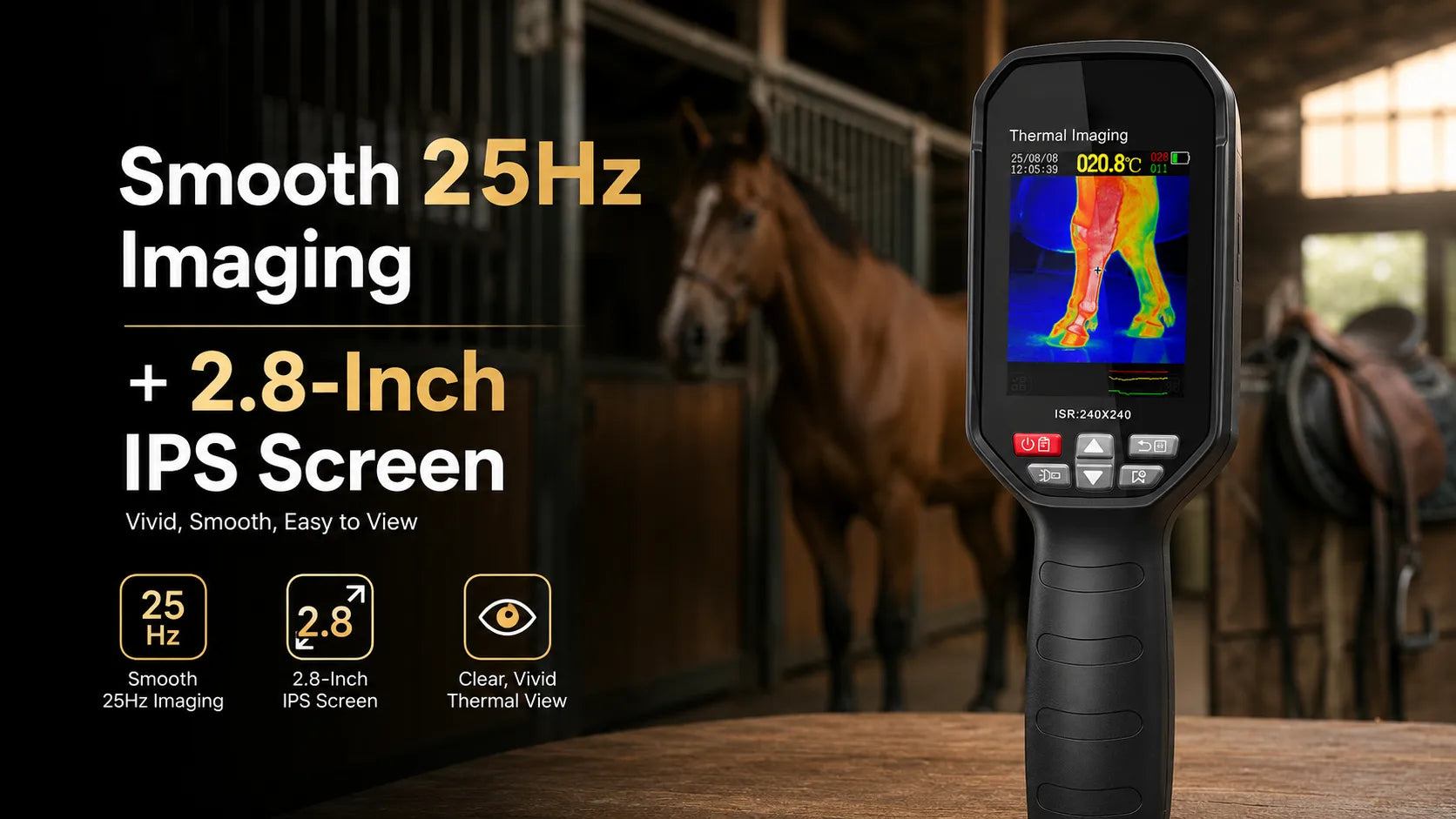
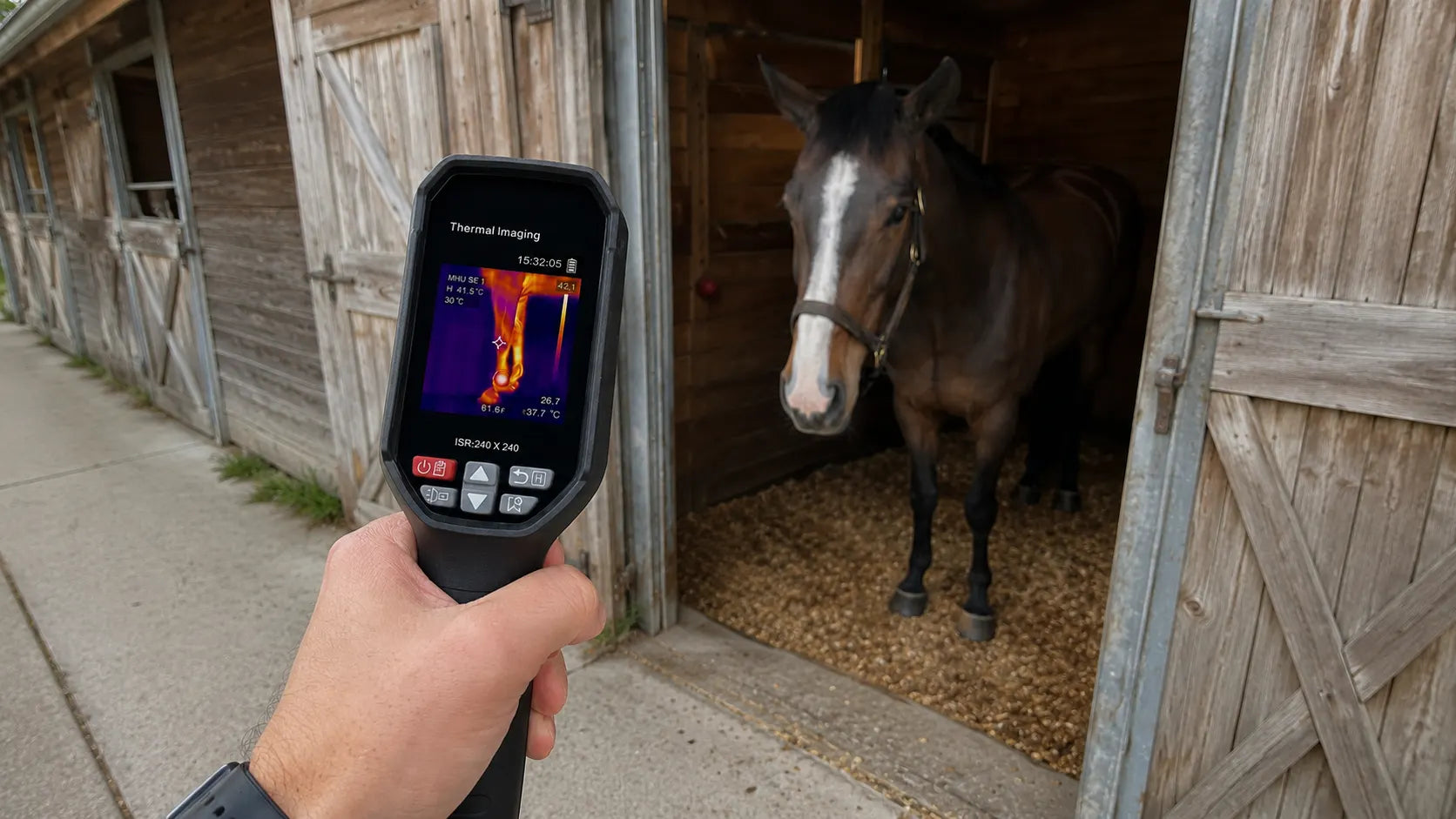
Where to Use the Amouu Horse Thermal Camera
Scan key areas consistently, compare both sides, and track unusual heat patterns over time.

Legs & Tendons
Scan the lower legs, tendons, and joints before or after work. Look for localized warmth, uneven heat, or side-to-side differences in stress-prone areas. Best for: Inflammation clues / tendon stress / recovery checks
Back & Saddle Area
Check the back, withers, and saddle contact zone after riding. Uneven heat patterns may suggest saddle pressure, rider imbalance, or workload stress. Best for: Saddle fit checks / back soreness / post-ride monitoring
Hooves & Lower Limb
Compare hoof and lower-limb heat patterns on both sides. This helps you notice extra loading, imbalance, or areas that may need closer farrier attention. Best for: Hoof balance / farrier reference / compensation patterns
Shoulders & Hindquarters
Scan large muscle areas after training, travel, turnout, or competition. These areas often show recovery stress or uneven loading that is easy to miss by eye. Best for: Muscle strain / cooldown checks / performance recovery
Full-Body Comparison
Move slowly across matching left and right areas. Side-to-side comparison makes thermal images easier to understand and more useful over time. Best for: Routine monitoring / tracking changes / sharing records
Example Thermal Scan: Side-to-Side Difference
A quick side-to-side scan can reveal heat patterns that are easy to miss during a normal visual check.

Lower-Leg Heat Imbalance
What the scan shows
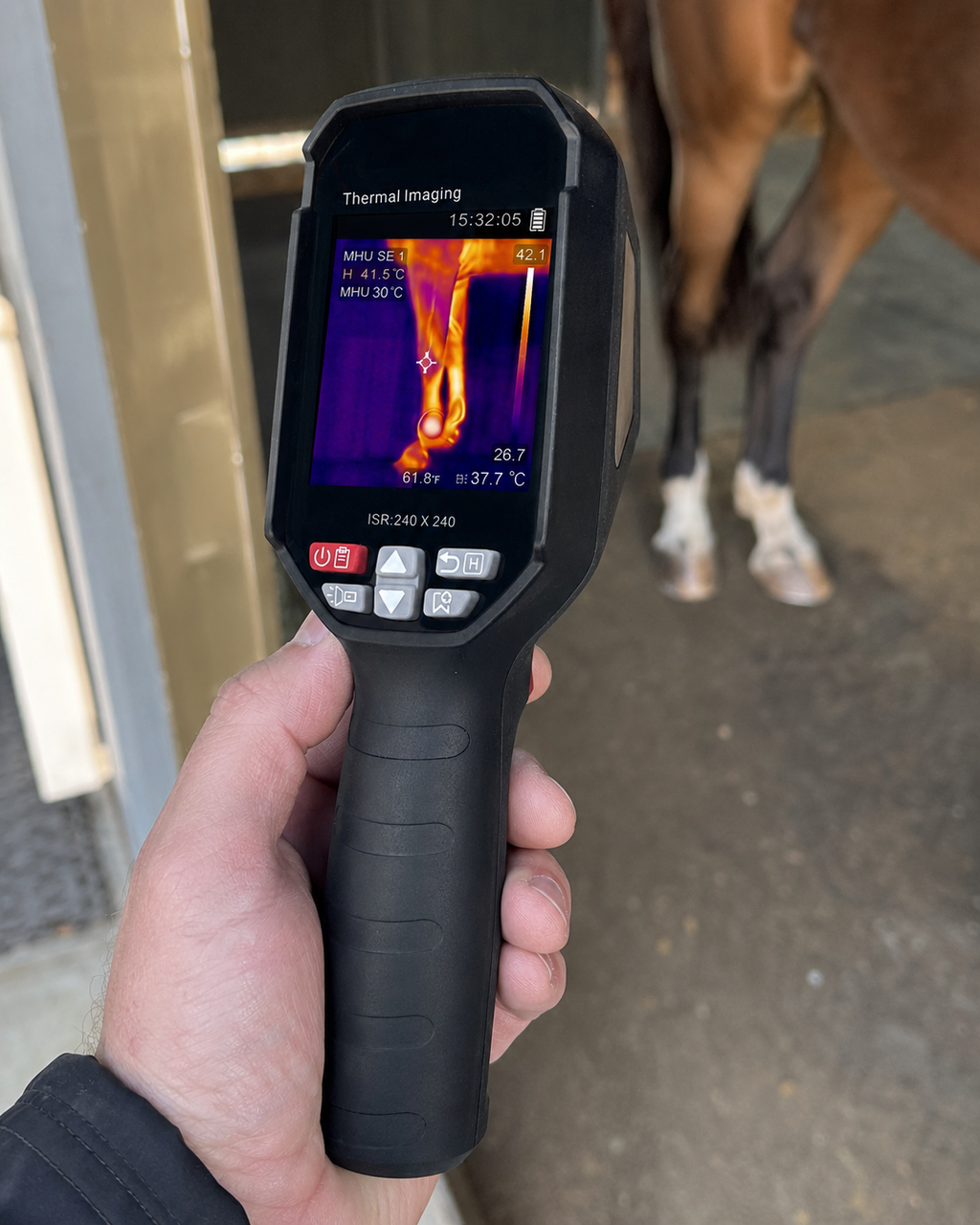
One lower leg shows stronger red and yellow heat patterns than the opposite side, especially around the tendon and hoof area.
What it may suggest
Uneven warmth may point to inflammation, overuse, compensation, hoof stress, or a developing issue that needs closer attention.
Why it matters
Side-to-side comparison helps you spot abnormal heat patterns earlier, then decide whether to rest, reduce workload, recheck, or share the image with your farrier or veterinarian.
FAQs
What is the Amouu Horse Thermal Camera used for?
Can it help identify inflammation or soreness?
How is it different from checking by hand?
Which areas should I scan most often?
When is the best time to scan my horse?
Can it help with saddle pressure checks?
Why is side-to-side comparison important?
How do I scan more consistently?
What does laser positioning help with?
Can I save and export images?
Does it replace a veterinarian or farrier?
What are the main technical features?
Have a Question
If you have an issue or question that requires immediate assistance, please contact us.
Contact UsI like checking left and right legs together. It makes small differences easier to notice.
Comparing both sides is one of the best ways to use it.
Nice product.
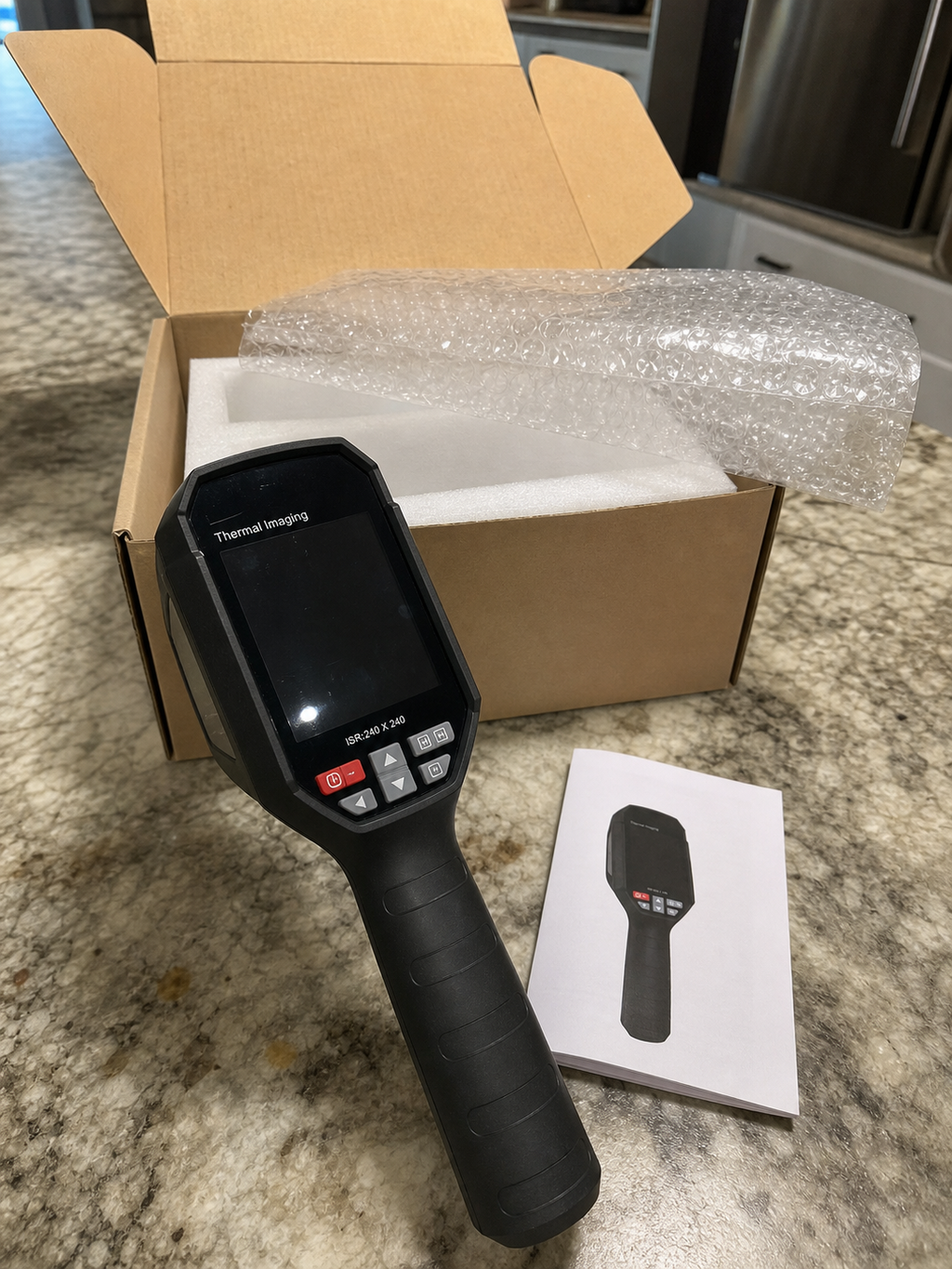
Thanks for sharing. Glad it has been useful.
At first I was not totally sure what I was looking at. After using it a few times and comparing the same areas, it started to make more sense.
Now I use it after rides and sometimes before work if my horse feels a little off. It has been helpful as a monitoring tool, especially for legs and hooves.
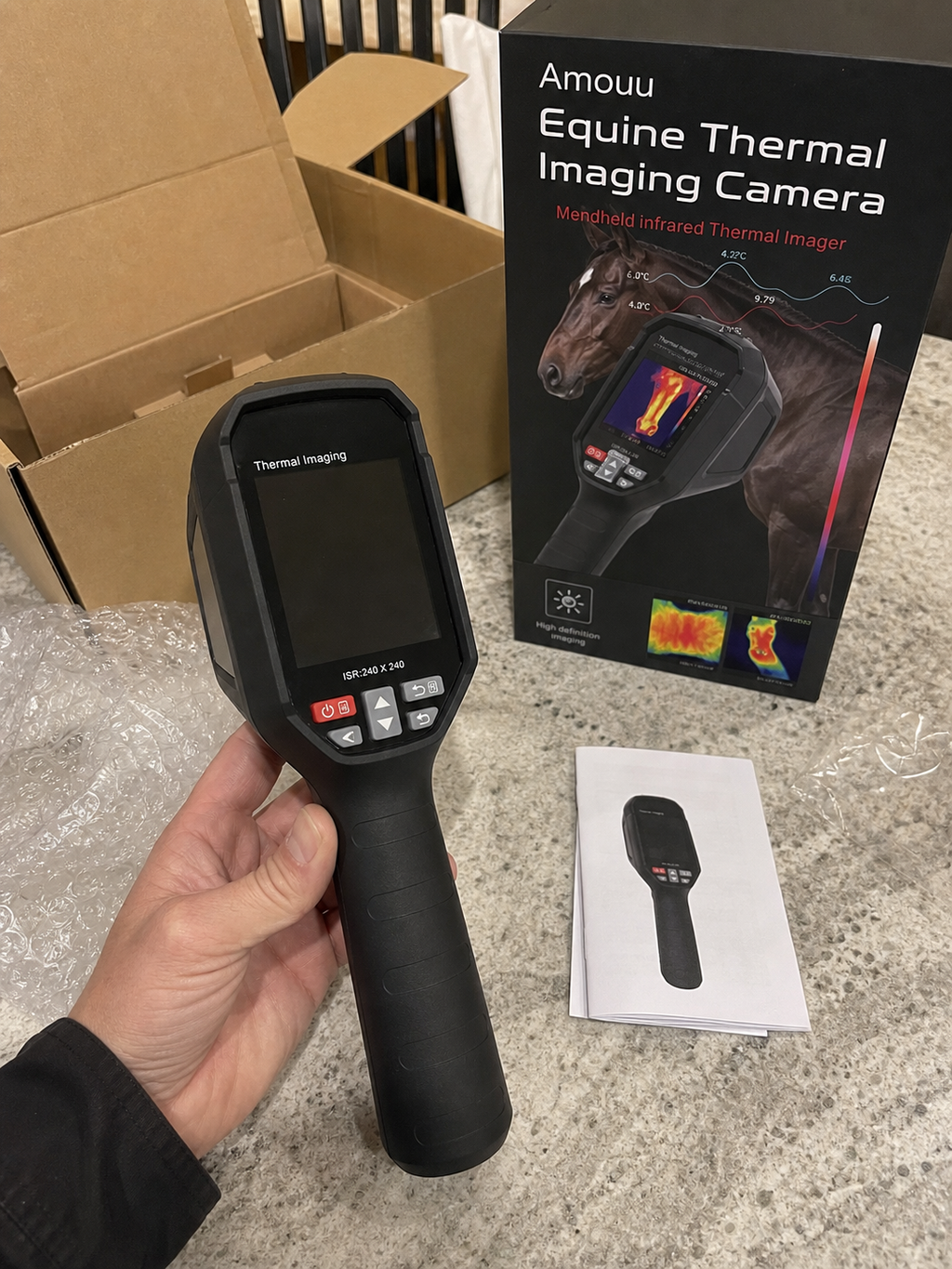
Glad it has been useful around the hoof and leg area.
This has been nice during grooming time. I can scan the back, legs, and hooves without making it a big process.
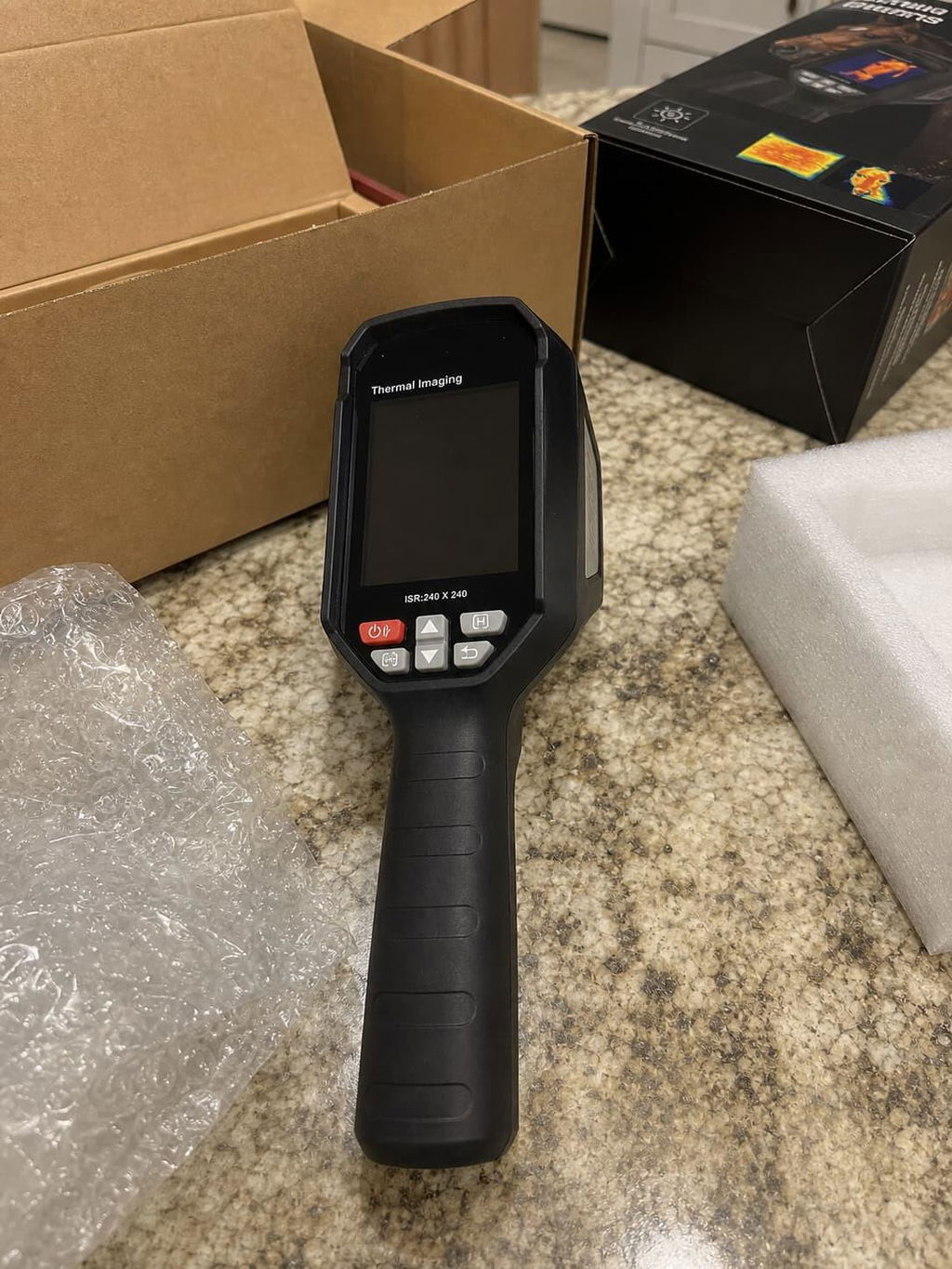
Glad it has been useful around the hoof and leg area.
Useful tool, but it takes a few tries to scan steadily.
Happy to hear it is fitting into your routine.
It is easy to keep in the tack room and use when something looks a little off. I like that it is quick.
Quick checks are exactly where this fits well.
Useful little camera.
Thanks for sharing. Glad it has been useful.
Nice device. I still need more time with it.
Happy to hear it is fitting into your routine.
Useful camera to keep nearby.
Happy to hear it is fitting into your routine.
Worth it so far.
Thanks for sharing. Glad it has been useful.
After harder schooling days, I like to look over the legs and back. This camera makes that easier because I can compare areas visually instead of only relying on touch.
It has helped me build a better routine around cooldown and checking for changes. Simple but useful.
Comparing both sides is one of the best ways to use it.
Useful in the barn, especially after harder rides.
Happy to hear it is fitting into your routine.
I mostly scan around the hooves and lower legs. It has been a helpful routine check.
Glad it has been useful around the hoof and leg area.
Good overall. I mostly use it after rides and compare both sides.
Comparing both sides is one of the best ways to use it.
Good tool to have around.
Happy to hear it is fitting into your routine.
Nice device.
Thanks for sharing. Glad it has been useful.
Works very well thank you
Glad it is working well for you. Thank you too.
A little hard for me at first. I need to compare more scans before I trust what I see.
Fair point. The first few scans are mostly about learning your horse’s normal.
Worth it so far.
Thanks for sharing. Glad it has been useful.
Very handy after rides.
Thanks for sharing. Glad it has been useful.
I like checking left and right legs together. It makes small differences easier to notice.
Comparing both sides is one of the best ways to use it.
I like checking left and right legs together. It makes small differences easier to notice.
Comparing both sides is one of the best ways to use it.
I bought this mostly out of curiosity, but I have ended up using it more than I thought. After rides I scan the legs and back just to see if anything looks different from normal.
It is not a replacement for a vet, but it gives me a useful visual before I start worrying. I like having another way to check my horse besides just touching the area and guessing.
That kind of after-ride check can be really helpful.
I use it on my older gelding after turnout. The heat view helps me keep an eye on his legs.
Happy to hear it is fitting into your routine.
It feels like something made for everyday barn checks. Nothing fancy, just useful.
Happy to hear it is fitting into your routine.
Not easy yet. I wanted quick answers and this feels more like something you learn over time.
Totally fair. It does take some practice to learn what you are seeing.
Works for us.
Thanks for sharing. Glad it has been useful.
I am not very technical, but this was not hard to start using. The colors make sense after a few tries.
Happy to hear it is fitting into your routine.
Solid device. A little learning curve but not bad.
Happy to hear it is fitting into your routine.
I use it after schooling to check the legs and back. It is quick enough that I actually remember to use it.
That kind of after-ride check can be really helpful.
